Go to the main content
CuratedLong-term conservation
DocumentedTraceable records
ImagedMacro & microscopy
AccessibleResearch & education

About the Collection

ADARA's fossil collection is curated as a long-term scientific repository. Specimens are catalogued, preserved, and documented to support research, education, and collaboration with museums, universities, and research centers. Whenever available, each entry includes provenance and contextual metadata (locality, lithology, stratigraphy, and acquisition notes), ensuring scientific value beyond display.

Our focus is conservation-grade storage, traceable documentation, and high-quality imaging-supporting responsible scientific heritage stewardship.
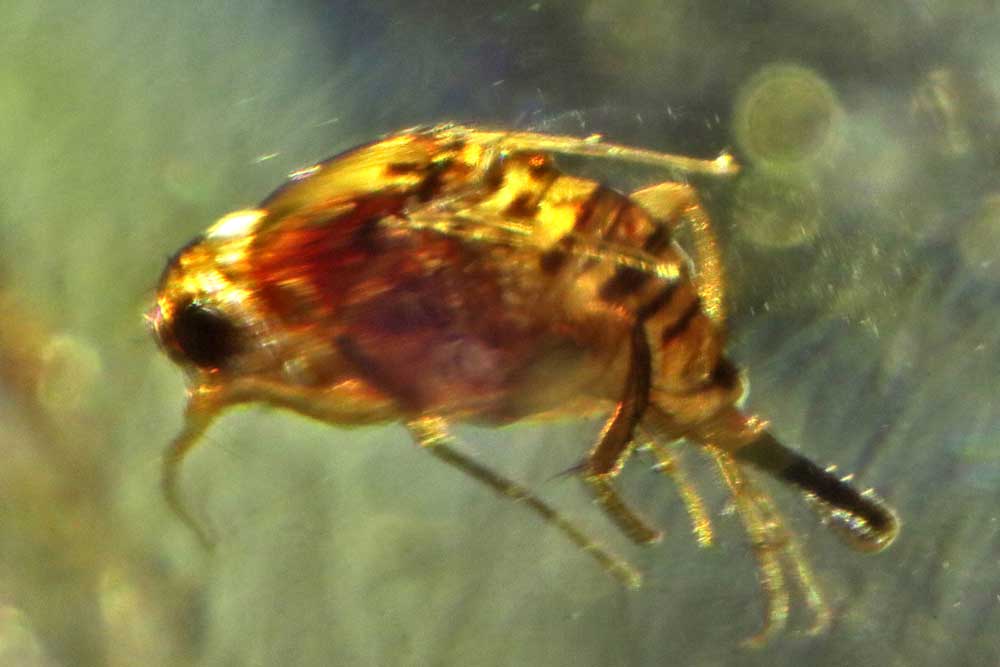
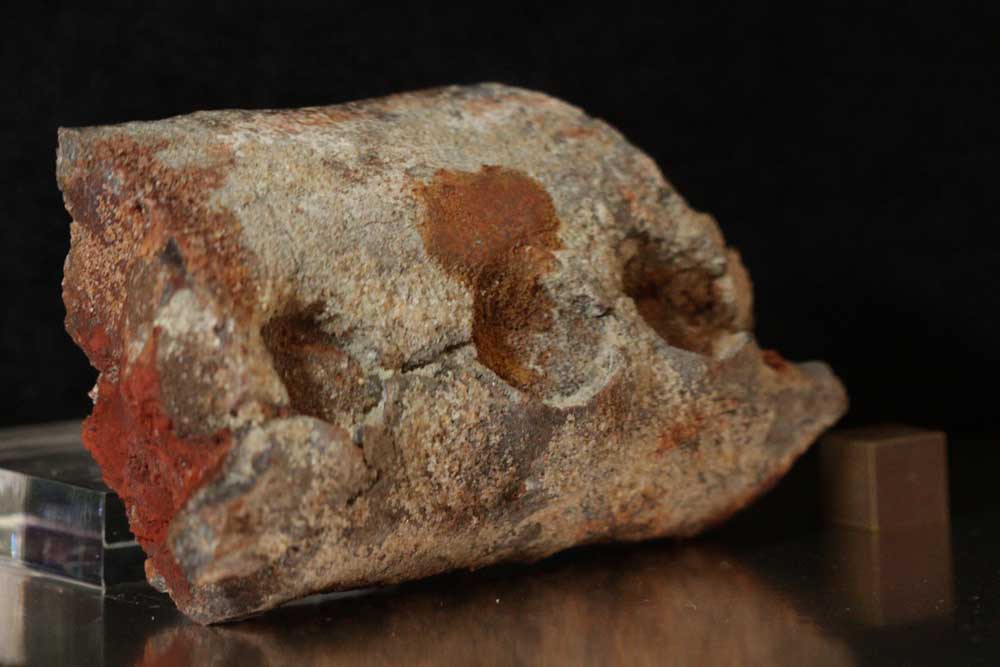
Fossil specimen detail from ADARA collection

Scientific Heritage Conservation

Preservation · Documentation · Access

Work areas in Adara Institute

Curation & collections conservation

Inventory control, labeling standards, storage materials, handling protocols, and long-term preservation planning.

HousingArchivingProtocols

Preparation & stabilization

Safe cleaning, preparation, consolidation, and mounting to preserve morphology and prevent further degradation.

PreparationConsolidationMounting

Imaging & analytical documentation

Macro photography, microscopy, scale standards, descriptive records, and documentation workflows for catalog entries.

MacroMicroscopyRecords

Stratigraphy & paleoenvironment

Sedimentological interpretation and paleoenvironment reconstruction to provide context for fossils and trace fossils.

FaciesContextGeology

Research, education & outreach

Taxonomic assessment, scientific reporting, educational initiatives, and collaboration with institutions.

ReportingCoursesCollaboration

Digital cataloguing

Structured catalog records, image-ready galleries, and traceability tools for scalable collection growth.

CatalogMetadataTraceability

Collection scope

What you can find

The collection includes curated specimens such as invertebrates, vertebrate fragments, plant fossils, and trace fossils. Each item is preserved with a scientific approach: stabilization, documentation, and contextual data when available.

InvertebratesVertebratesPlantsTrace fossilsSedimentary context

Why it matters

Fossils record ancient biodiversity, extinction events, and environmental changes across geological time. Preserving them with traceable documentation supports reproducible research and reliable educational outreach.

ADARA's mission is to preserve scientific heritage while enabling access for research, training, and collaboration.

Gallery

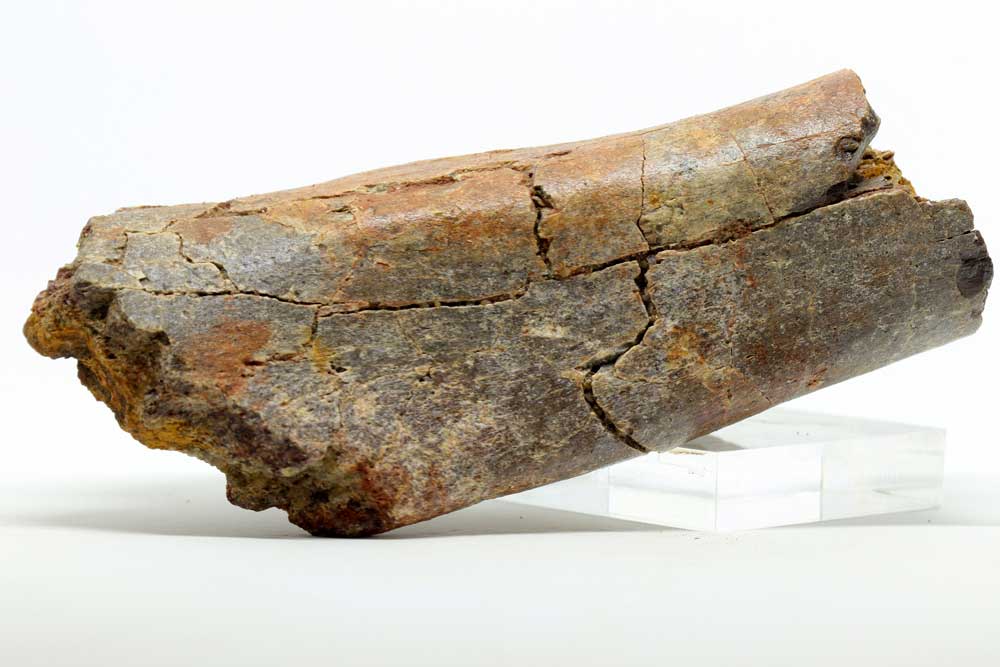
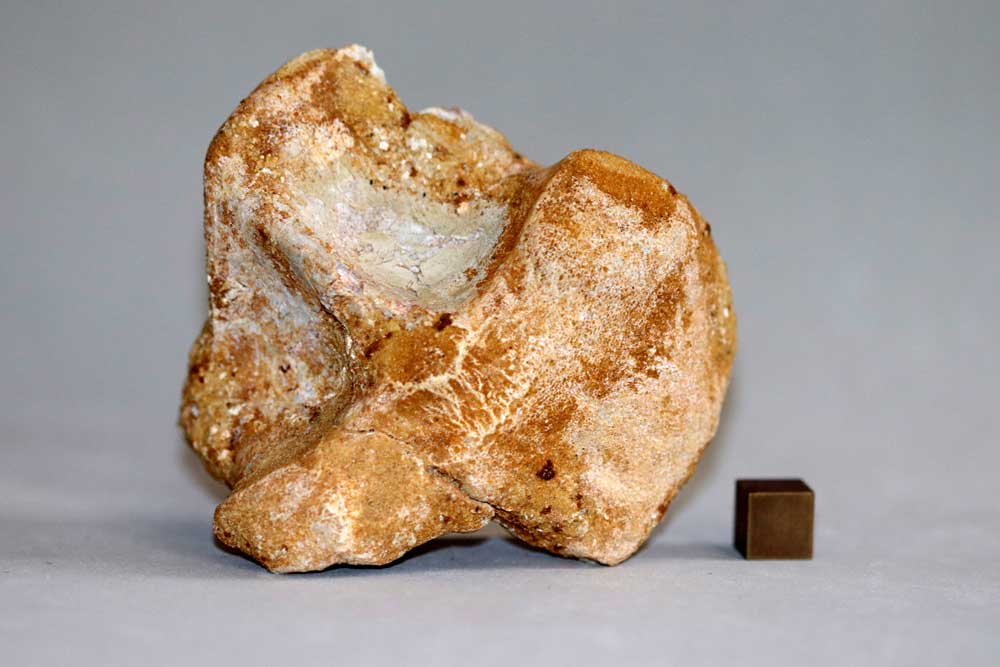
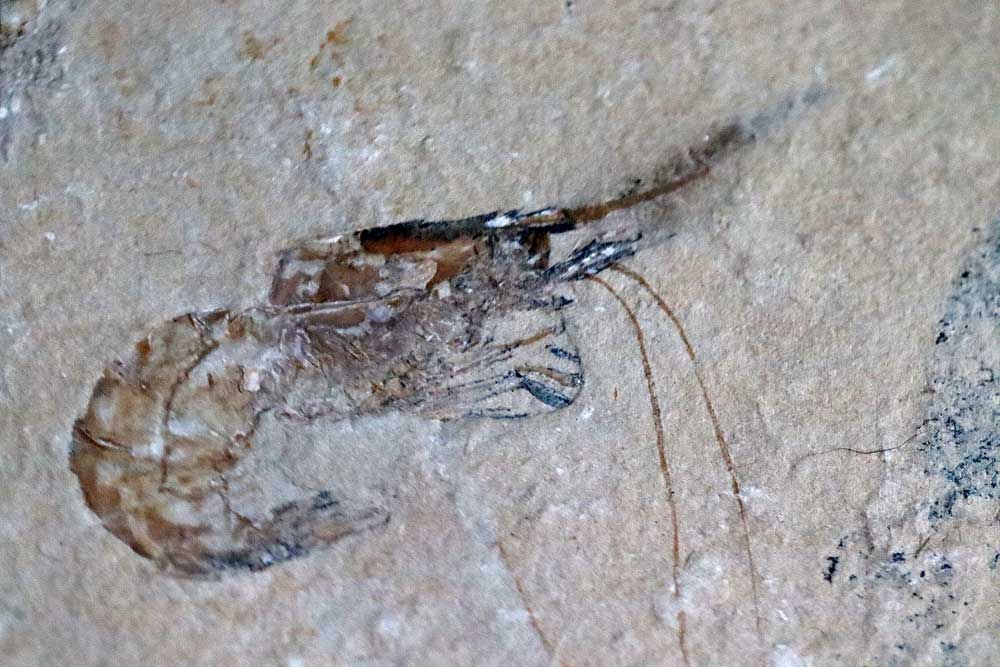
The Adara Institute houses an interesting collection of fossils, most of which have been donated by private collectors.

Fossil specimen 1
Fossil specimen 2
Fossil specimen 3

Policies & integrity

Collection stewardship

The fossil collection is managed under conservation principles: stable storage conditions, controlled handling, clear labeling, and traceable documentation. When specimen provenance is provided, it is recorded and preserved as part of the scientific value of the item.

Access for research, educational use, and exhibitions is policy-based and aligned with responsible heritage conservation.

Documentation & reporting

Each catalog entry is designed to be reproducible and useful: imaging, basic descriptive notes, contextual metadata, and any available preparation or stabilization records are documented to ensure transparency.

Get involved

ADARA welcomes collaboration proposals related to fossil conservation, cataloguing, imaging, and scientific documentation. If you represent a museum, university, or research center, we invite you to contact us to discuss cooperative projects.