Go to the main content
Turnkey One program · one accountable delivery
Scientific Curated under rigorous documentation standards
Institutional Designed for public trust and long-term stewardship
Scalable From boutique exhibits to national museums

A museum is not a display. It is a scientific institution.

The public does not visit a meteorite museum to see “rocks”. They visit to meet a coherent scientific narrative, to understand where our planet came from, and to encounter tangible evidence of the Solar System’s history. A successful museum must combine three dimensions that are rarely integrated under a single responsible framework: authentic and documented specimens, conservation-grade infrastructure, and a rigorous curatorial story that can be defended scientifically.

ADARA’s Turnkey Program exists to deliver that integration—cleanly, transparently, and with institutional accountability.
Who this program is for

Government cultural agencies, universities, foundations, national museums, science centers, and institutions seeking a world-class meteorite collection with a scientifically correct public narrative and long-term operational reliability.

National & regional museums Universities & research parks Foundations & cultural endowments Science centers & planetariums Private museums (institutional-grade)

Three stages, one coherent delivery

Design

We define the scientific vision, narrative structure, and curatorial framework that will shape the identity and long-term relevance of the museum.

Master Blueprint Collection architecture Conservation standards

Budgeting

We translate the conceptual blueprint into a structured and transparent financial plan aligned with institutional objectives and sustainability.

Phased investment Risk controls Operational planning

Implementation

We execute the project with full scientific oversight, ensuring integrity, quality control, and operational readiness from installation to inauguration.

Installation Training Launch readiness

Core deliverables

1) Master Scientific & Museological Blueprint

A formal document defining the museum’s scientific narrative and institutional identity. It establishes the collection scope, exhibition logic, interpretive messaging, conservation requirements, documentation standards, and the operational model that will keep the museum reliable for decades.

This blueprint is designed to be board-ready: it can be reviewed by directors, curators, scientific advisors, and funders.

2) Structured Budget & Phasing Plan

A transparent budgeting framework with optional scaling tiers (starter exhibit, mid-size museum, flagship institution). It includes acquisition and preparation costs, museography, environmental systems, security, documentation infrastructure, training programs, and initial operational needs—so decision makers can approve with clarity.

The objective is not “a price”. The objective is an institutionally defensible plan.

3) Collection Build & Scientific Documentation

We develop the museum’s collection as a scientific asset. Each specimen is selected to support the narrative, prepared for display and preservation, and delivered with traceable documentation suitable for long-term curation. Where applicable, the program integrates educational thin sections and reference material for academic engagement.

Authenticity assurance Traceability Scientific metadata

4) Training & Operational Readiness

A museum becomes sustainable only when the local team can operate it correctly. ADARA provides structured training in handling, cataloging, conservation practices, visitor-facing scientific communication, and long-term collection management—so the institution remains independent and robust after delivery.

Staff training Protocols & manuals Quality assurance

Why ADARA

Many providers can sell objects. Few can deliver a museum as a scientifically coherent institution. ADARA is built around the intersection that museum projects usually miss: research-grade documentation, curatorial integrity, conservation logic, and operational systems designed for long-term stewardship.

This is why the Turnkey Program works: the museum is not assembled from disconnected vendors. It is engineered as a unified scientific product, under one responsible institution, with one standard of quality.

If your institution aims to create a trusted national reference, a university-grade collection, or a flagship public museum that will remain credible for decades, this program was designed for you.

Program options

Starter Exhibit

A focused, high-impact institutional exhibit with a curated collection core, interpretive narrative, and foundational documentation.

Compact footprint Fast deployment Expandable

Mid-Size Museum

A full museum floor concept including structured sections (origins, classification, impacts, planetary materials) and staff training.

Balanced scope Education-ready Operational framework

Flagship Institution

A landmark museum concept designed to become a national or regional reference, with long-term scientific oversight options.

High prestige Research integration Long-term oversight

Scientific Oversight (optional)

Long-term quality control and updates

Institutions that aim to remain scientifically current can retain ADARA as an oversight partner. This optional layer provides periodic audits of documentation quality, conservation practices, interpretive accuracy, collection growth strategy, and exhibit updates as scientific knowledge evolves.

The objective is institutional permanence: credibility is not achieved at inauguration; it is maintained over decades.

Request an institutional briefing

If your institution is exploring a meteorite museum, a dedicated gallery, or a national collection program, we can provide a private institutional briefing outlining scope options, timeline, governance considerations, and the initial steps required to move from concept to approved blueprint.

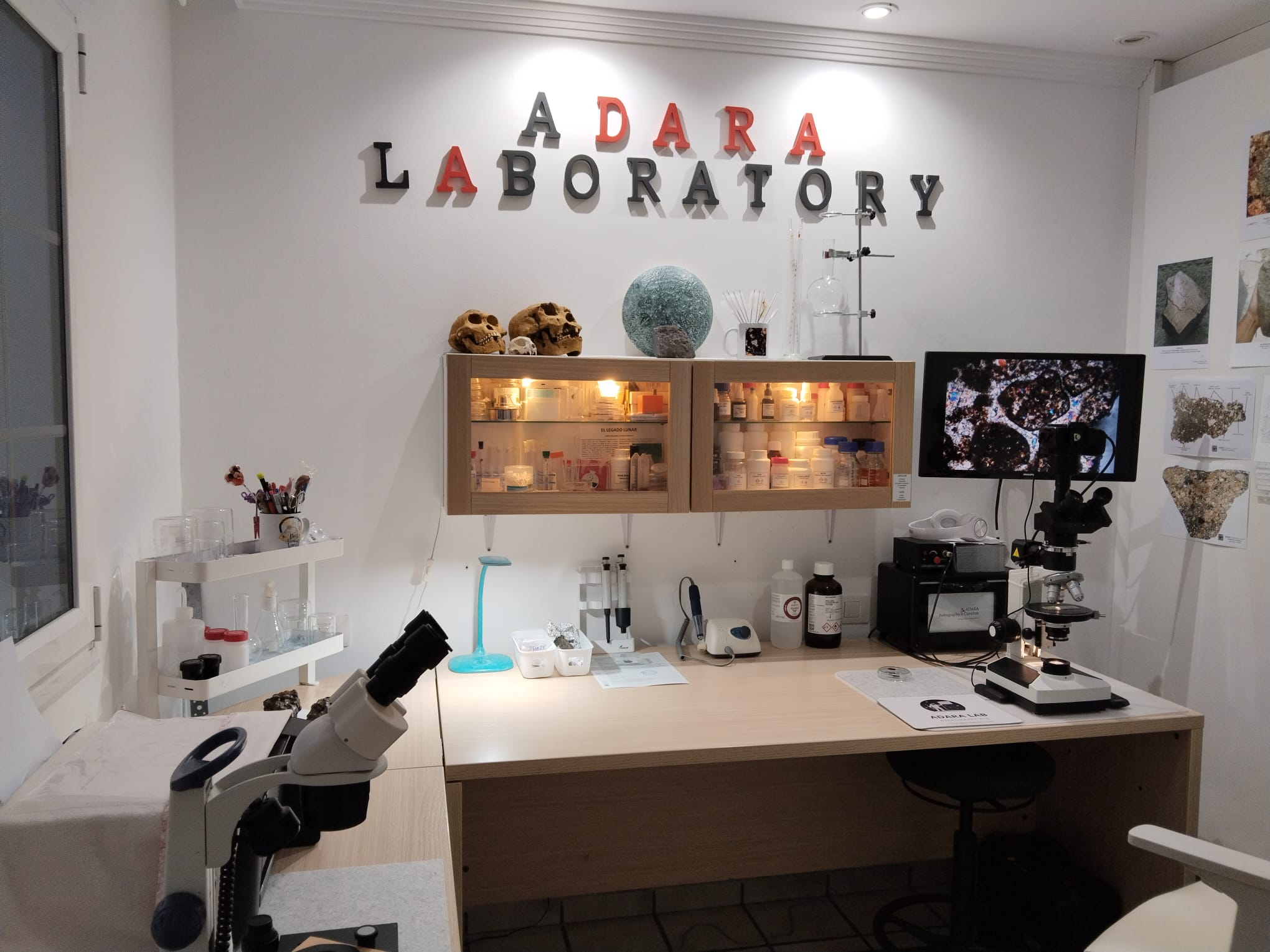
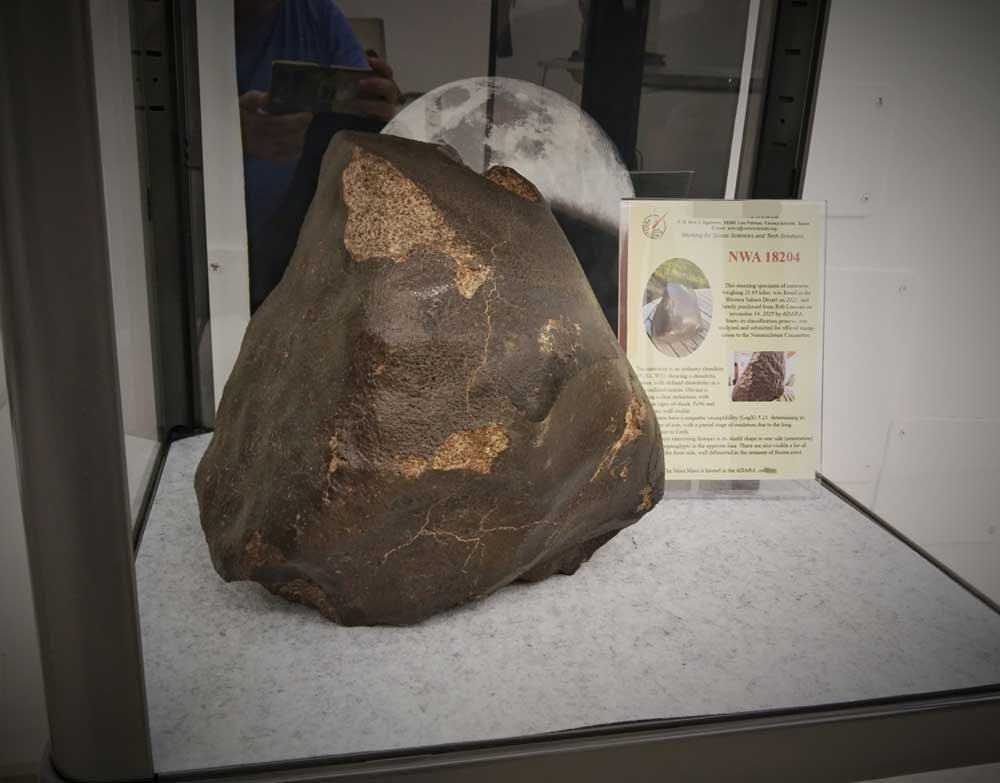
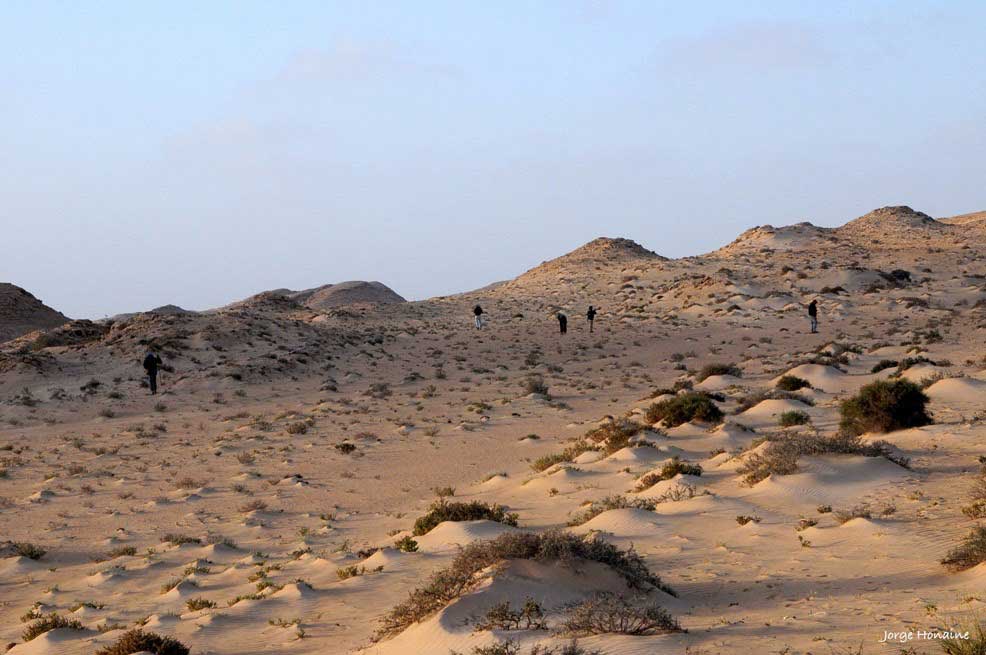
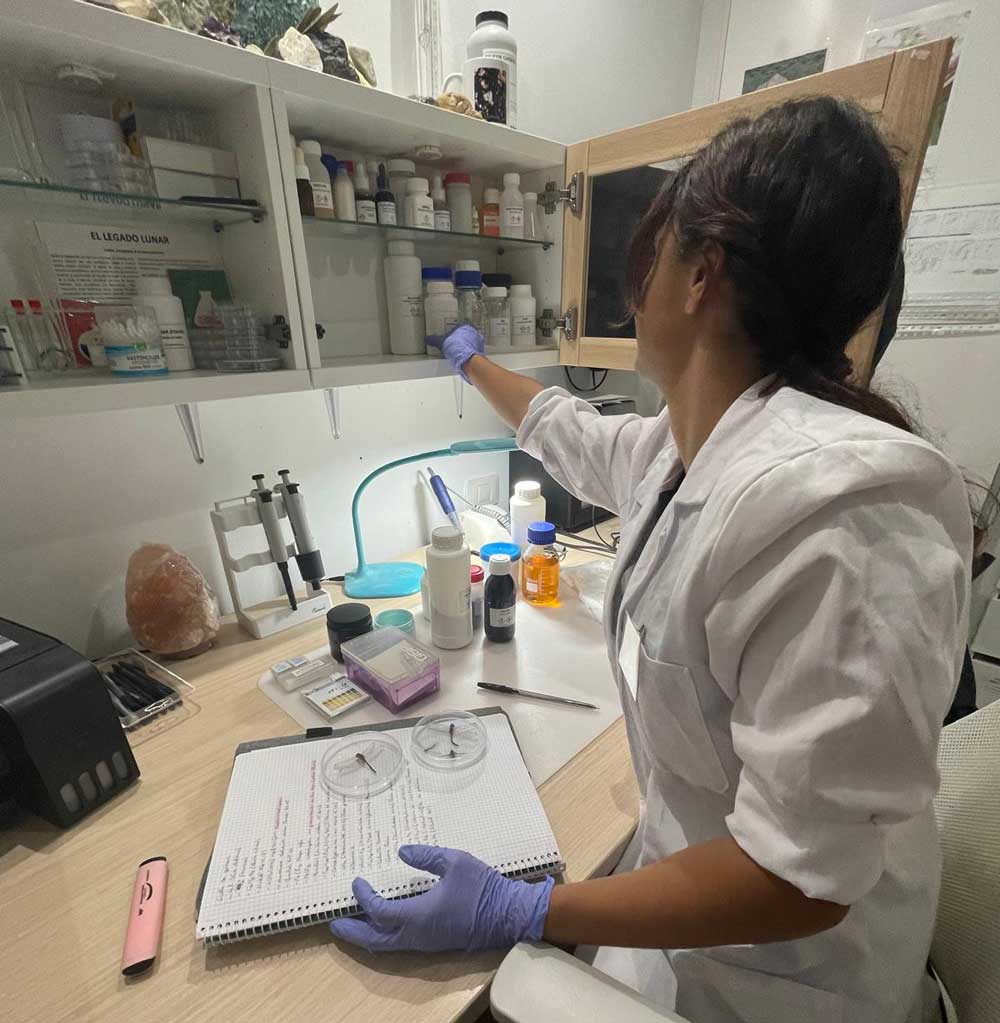
Replace these images with museum mockups, exhibition examples, curated specimens, or institutional meetings.

Curated storage and labeling
Meteorite macro specimen
Laboratory work and specimen documentation