A door to the history of the Solar System
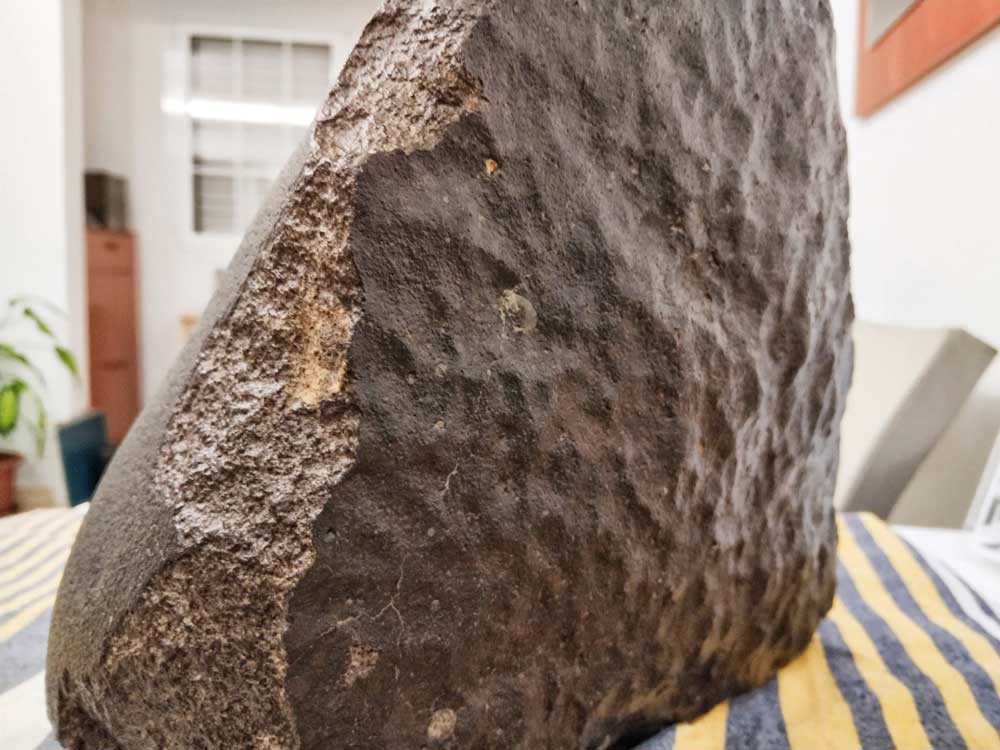
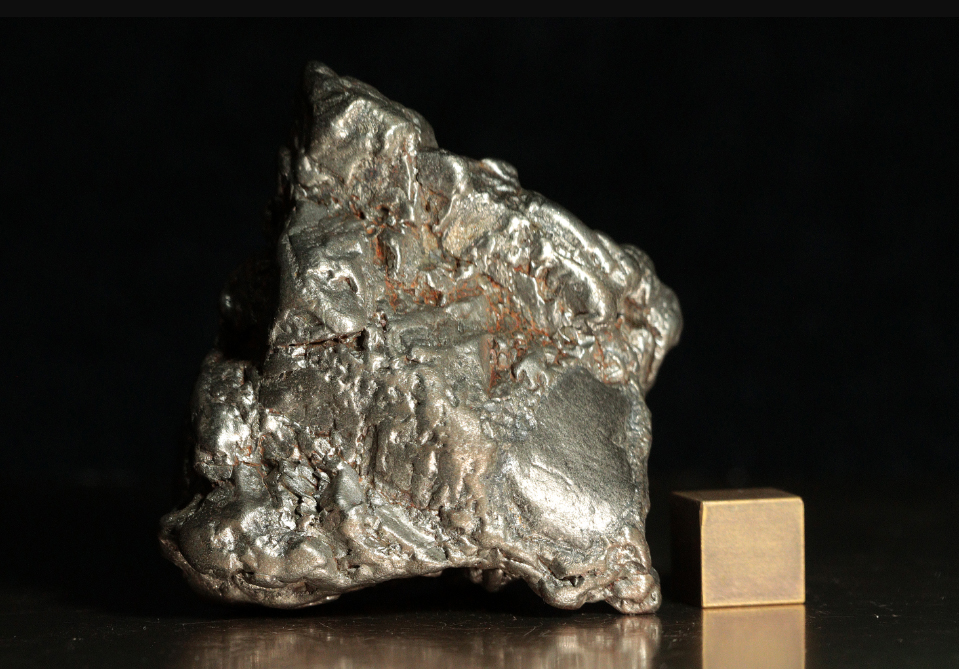
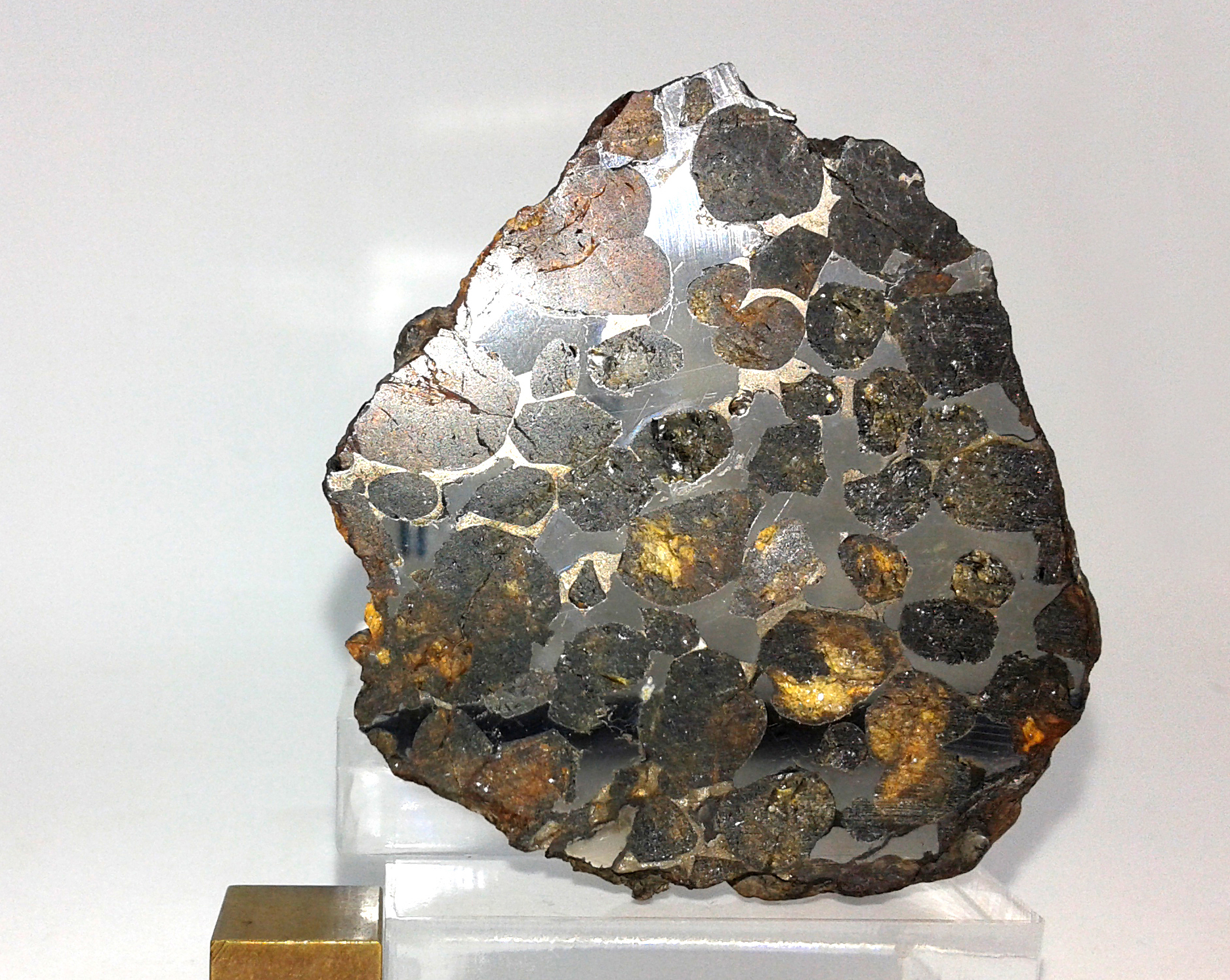
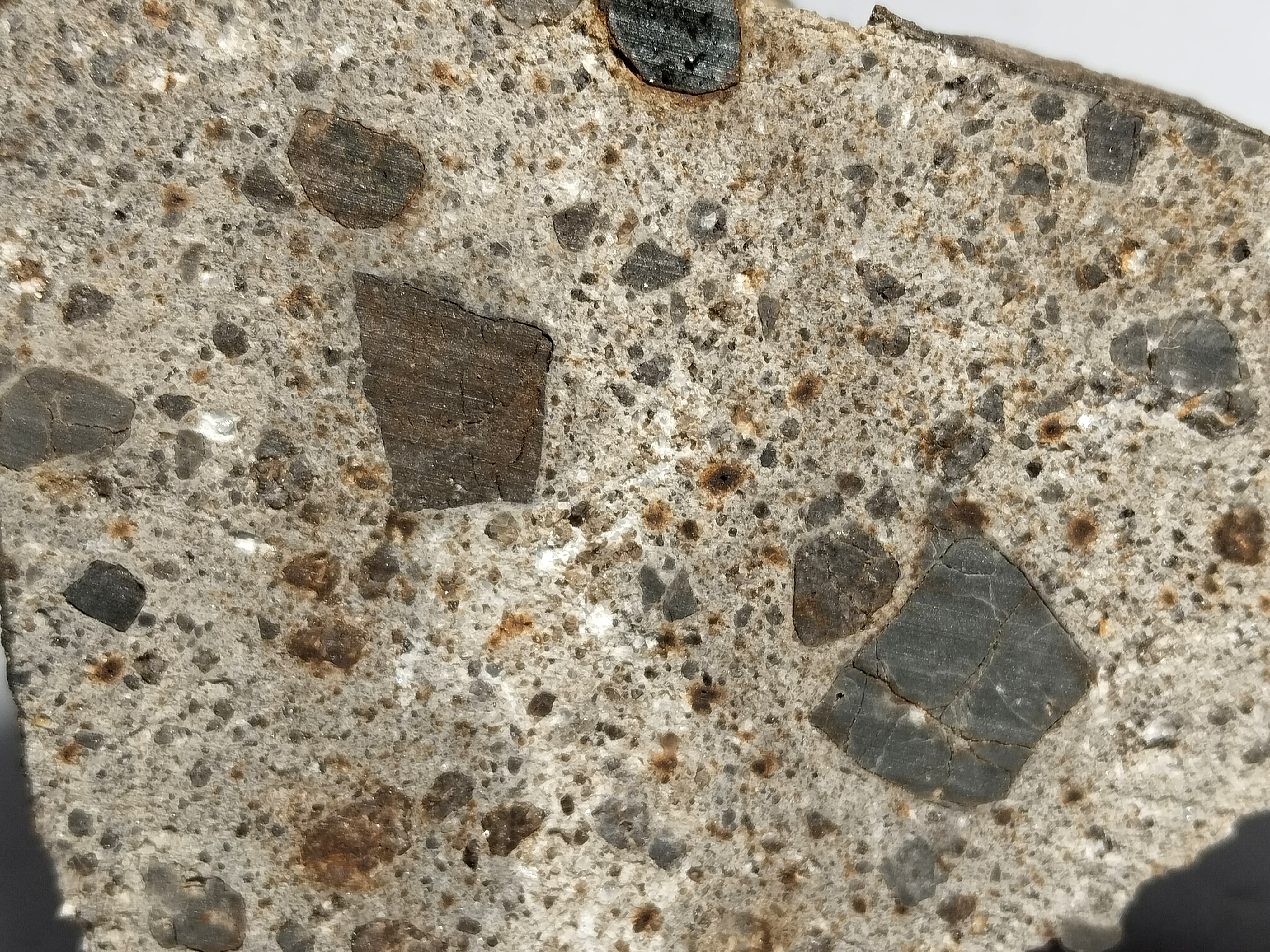
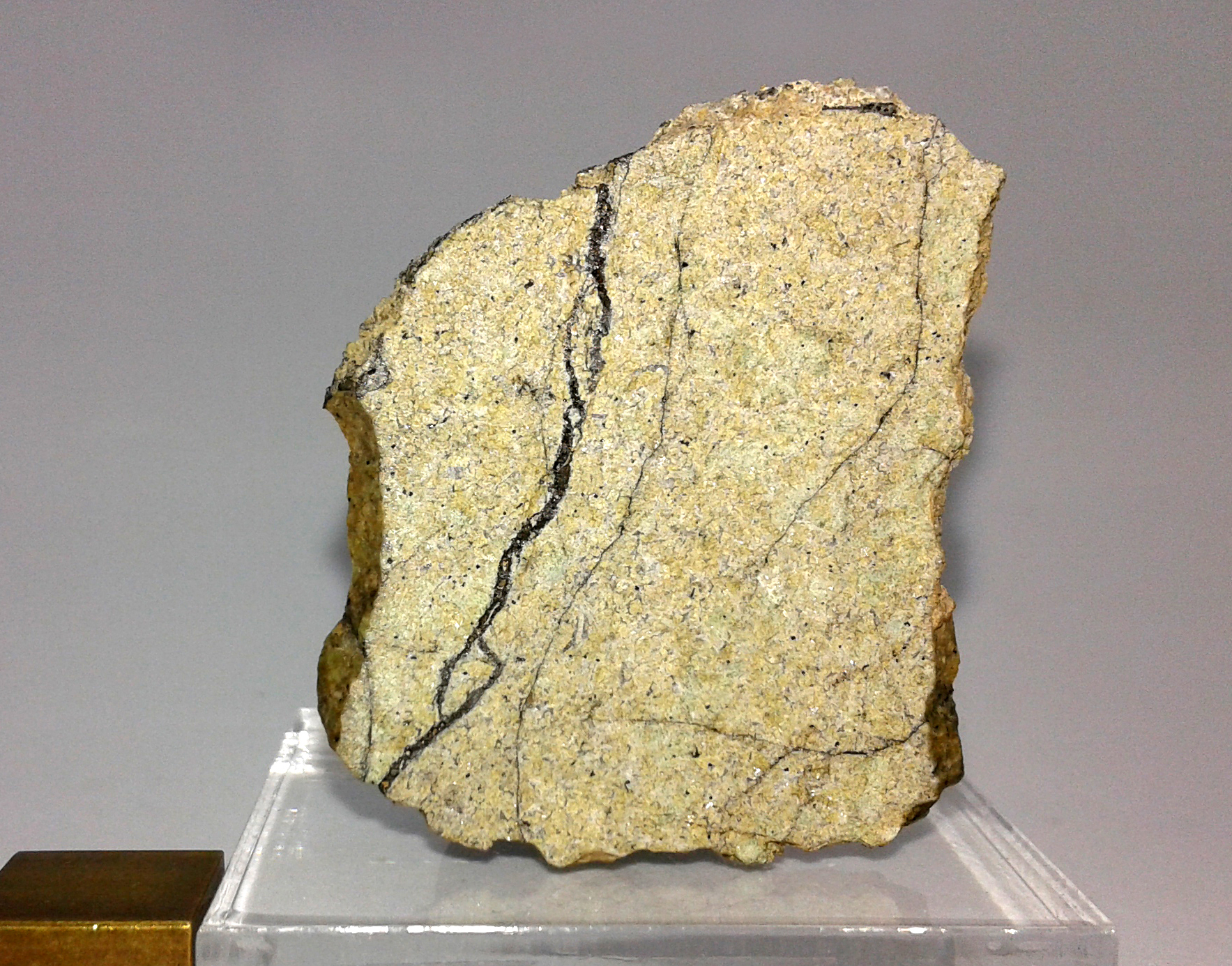
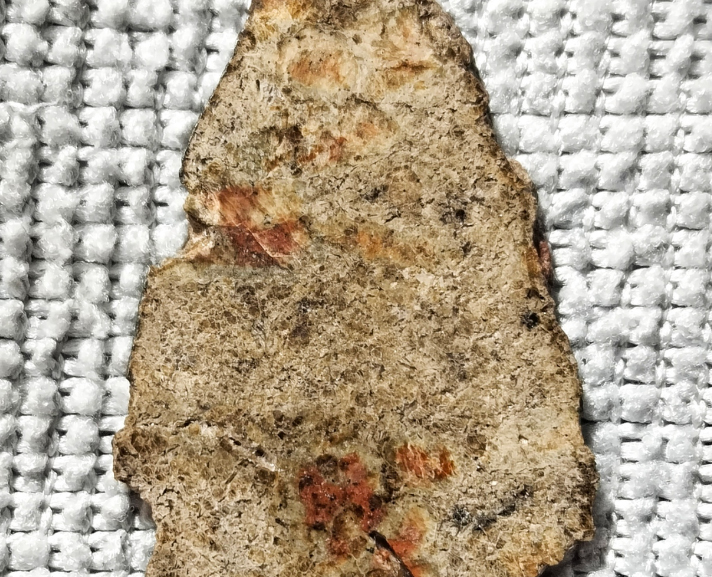
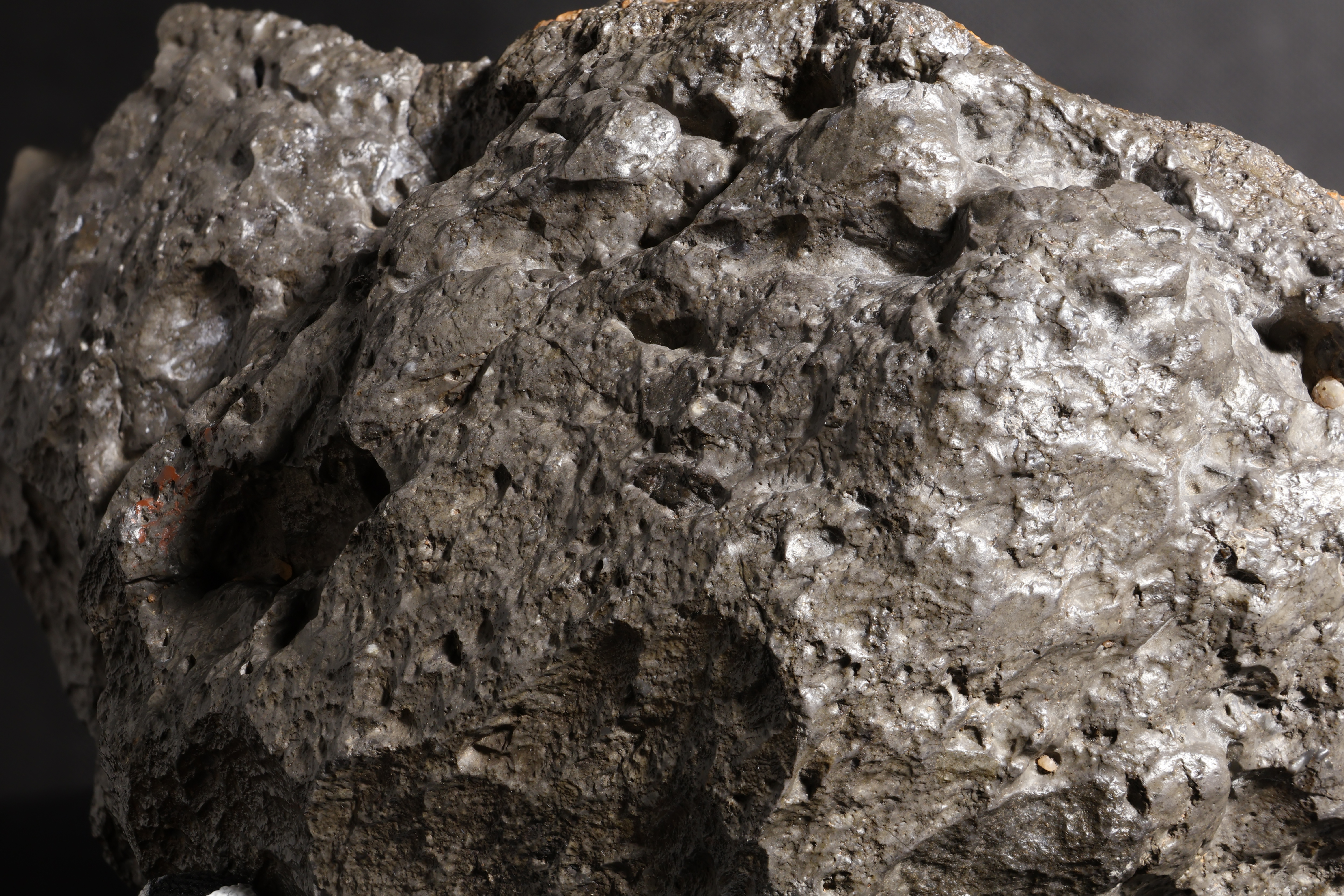
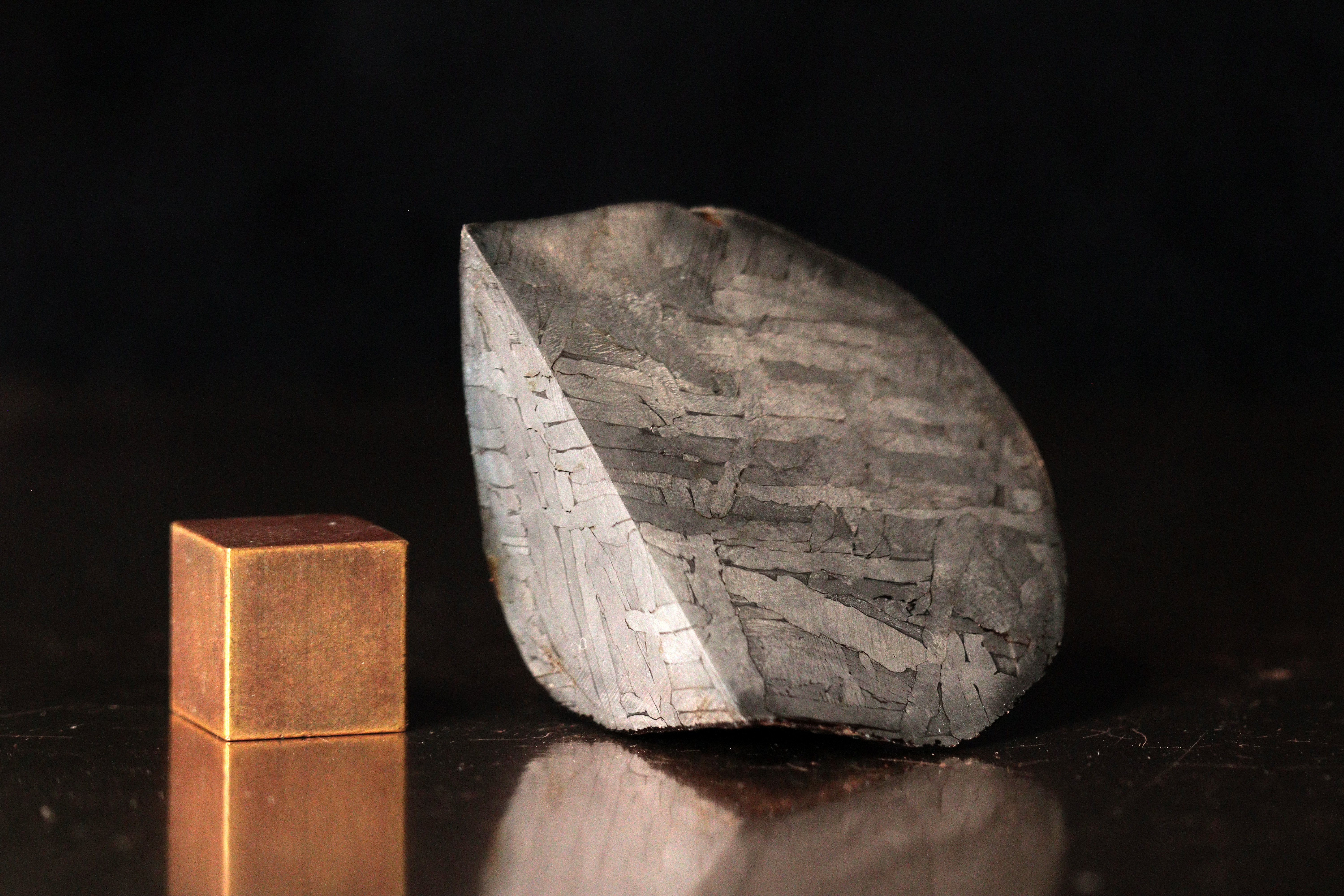
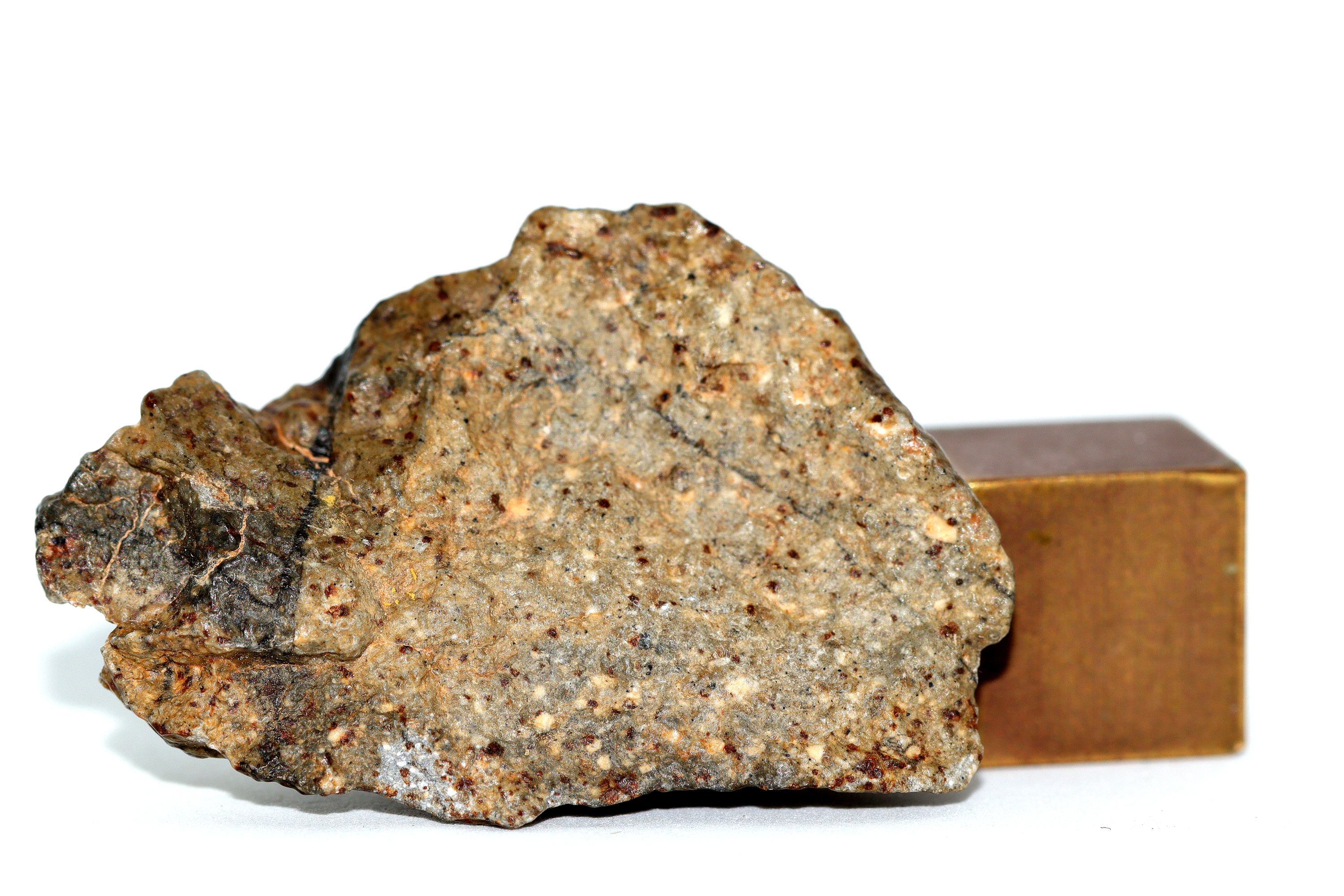
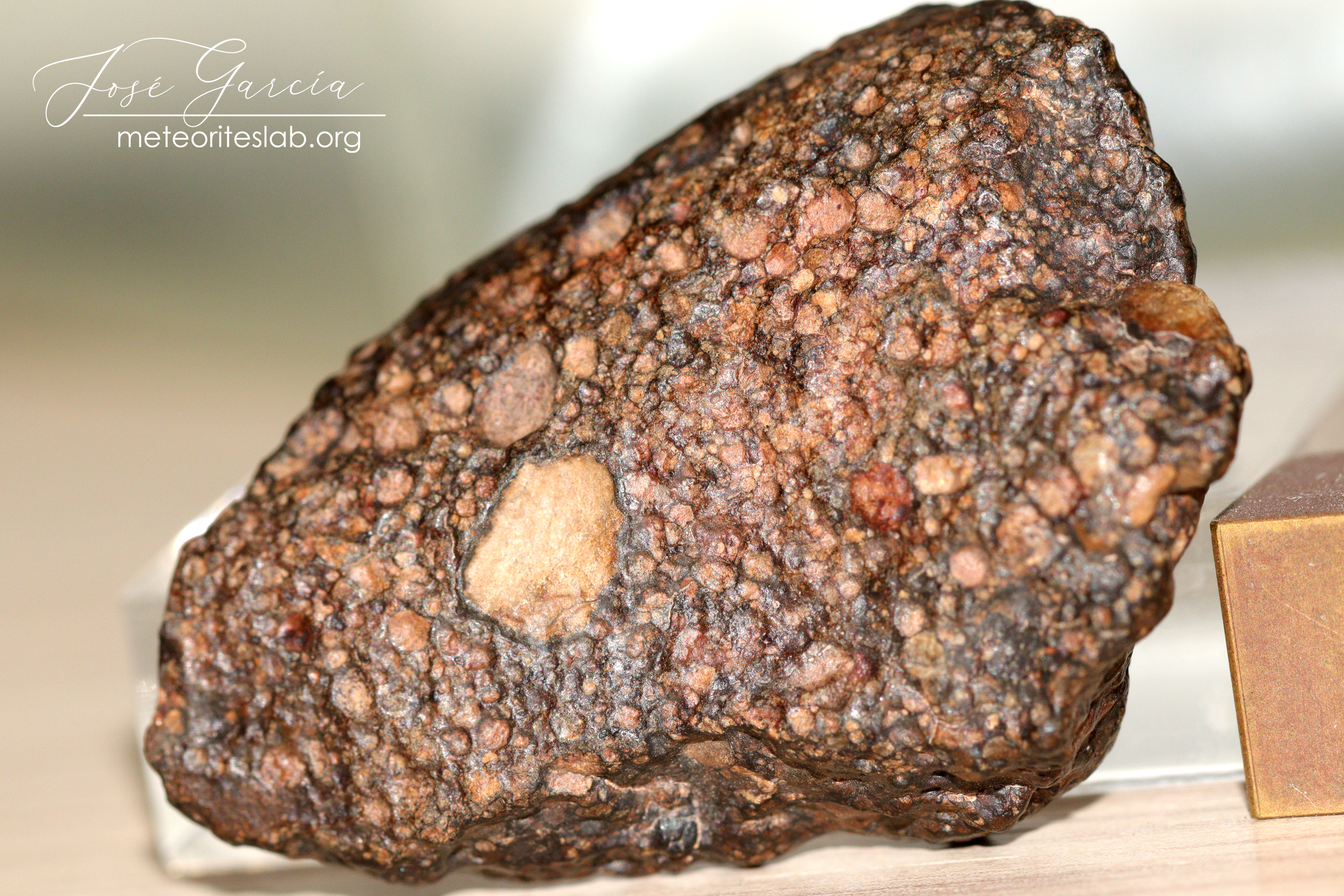
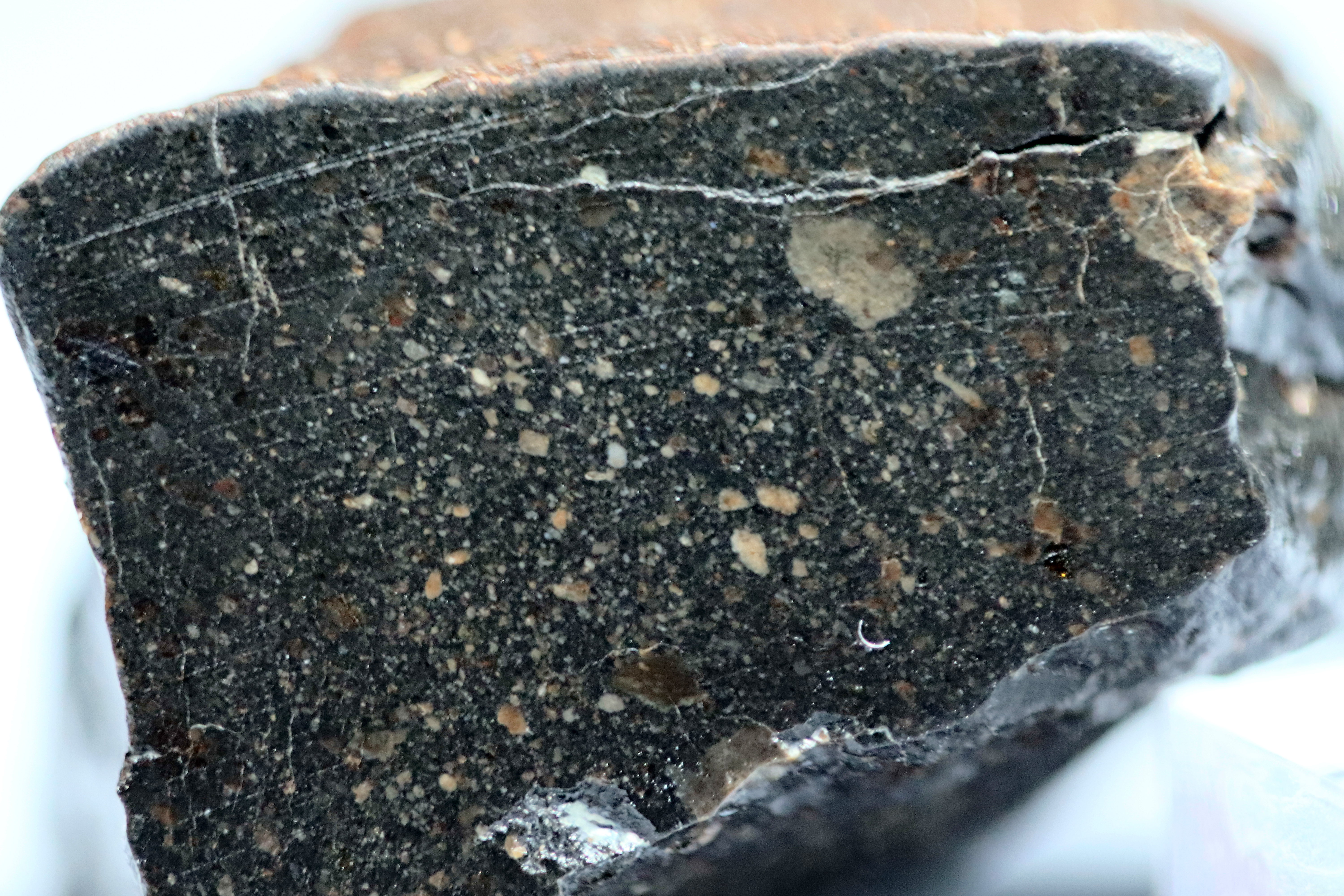
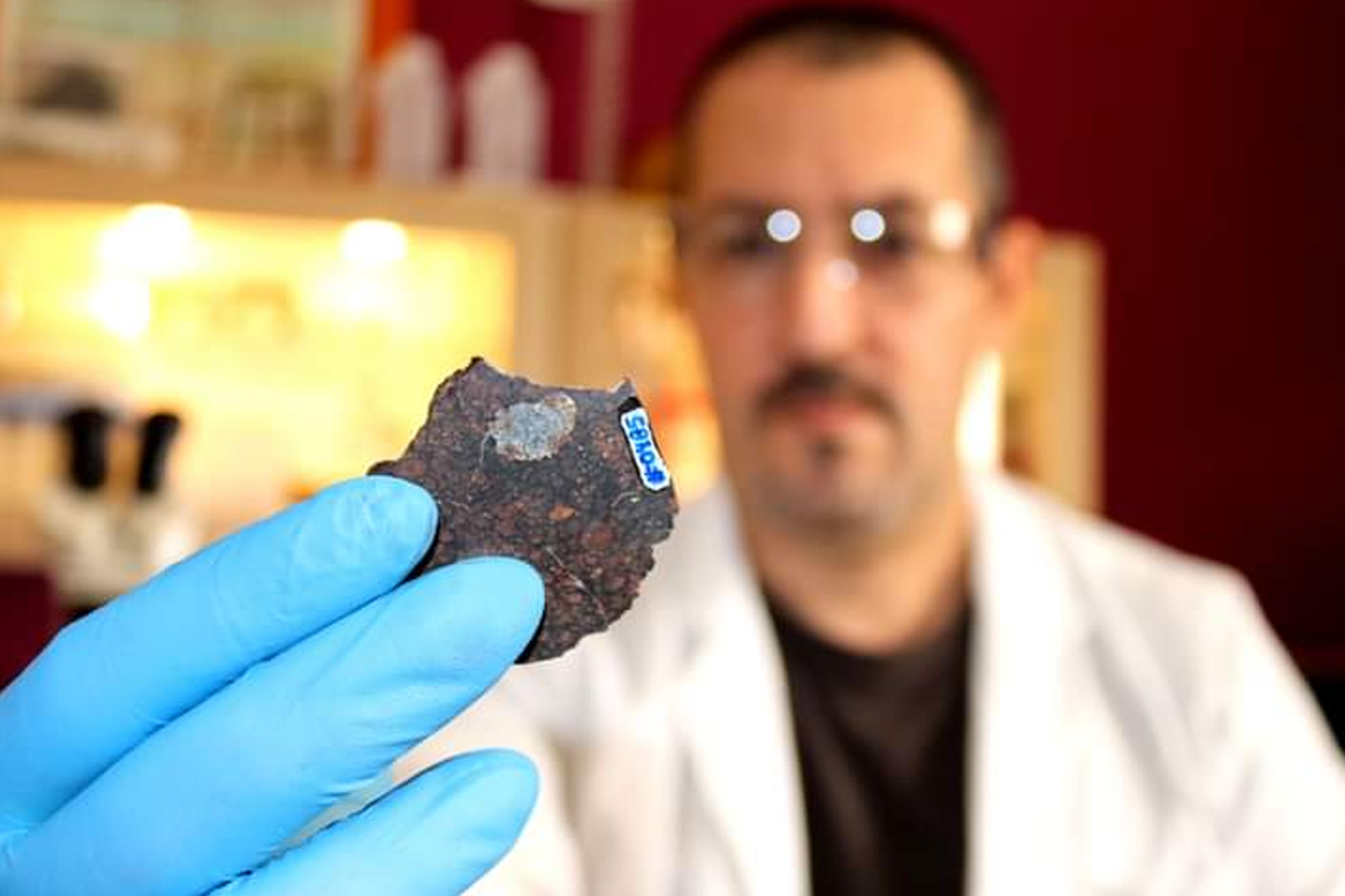
Meteorites are natural rocky, metallic or stony-ironic fragments that were once part of asteroids, protoplanets, the Moon, Mars or other parent bodies. After being expelled from those bodies, they travelled through space, crossed the atmosphere and eventually reached the Earth. Today they are among the most valuable materials available to planetary science, as well as objects of great educational, historical and curatorial importance.
For centuries they inspired myths and astonishment. Modern science transformed that fascination into rigorous study. Meteorites now help us investigate the earliest solids of the Solar System, the differentiation of ancient bodies, the formation of planetary crusts, the evolution of asteroids and even the broader context of impact processes that continue to shape planetary surfaces.
To hold a meteorite is to hold direct evidence of processes that began more than 4.5 billion years ago.