Curated

Conservation-grade storage

Characterized

Petrography & geochemistry

Traceable

Records & imaging workflow

Research-ready

Access & collaboration

About Lunar Meteorites

Lunar meteorites are fragments of the Moon excavated by impact events, accelerated to escape velocity, and transferred to Earth. Many are regolith breccias or polymict breccias that encapsulate multiple lithologies, impact melts, and solar-wind-implanted components, offering a natural “time capsule” of lunar surface processes.

ADARA’s approach emphasizes conservation, contamination-aware handling, and documentation designed to support reproducible research and official reporting.

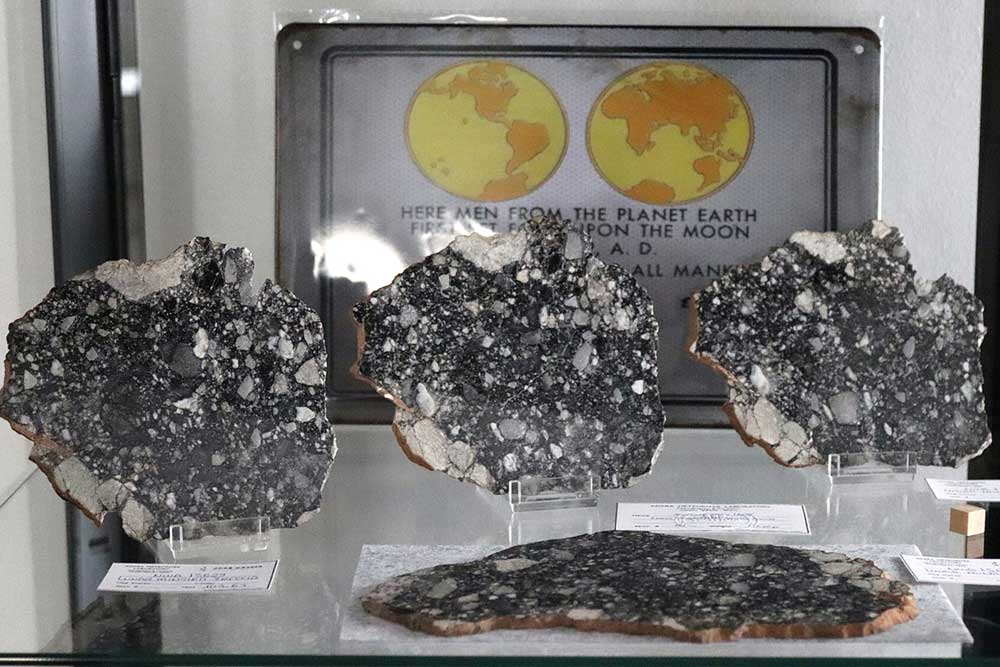
Lunar meteorite detail: breccia clasts and matrix

From the Moon to the lab

Curation · Petrography · Documentation

Work areas in Adara Institute

Curation & controlled handling

Stable storage, humidity control, clean handling, labeling standards, and conservation protocols tailored to high-value lunar material.

Storage Handling Traceability

Petrography & thin section study

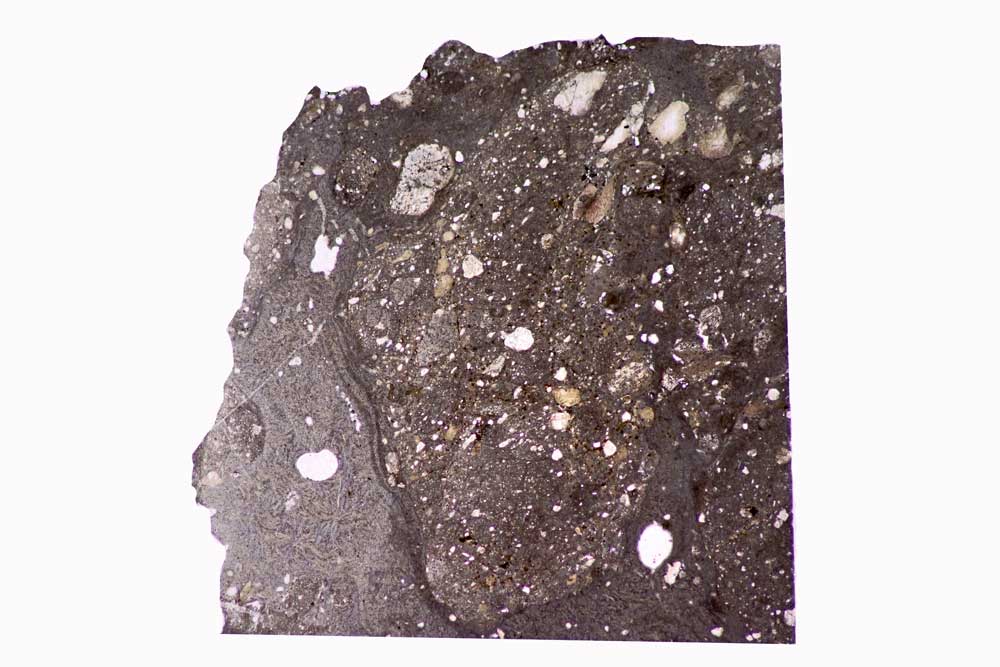
Optical microscopy of clasts, matrix, impact melts, and textures to interpret origin (highlands vs mare), metamorphism, and shock history.

Textures Breccias Shock

Geochemistry & mineral chemistry

Mineral compositions and bulk constraints to support petrogenetic interpretation and classification-grade reporting.

EDS/WDS XRF / ICP Raman

Regolith & impact processes

Identification of impact-melt lithologies, glass, agglutinates, and mixing signatures that record surface residence and bombardment history.

Impact melts Glasses Mixing

Documentation & scientific reporting

Image-ready records, consistent nomenclature, metadata capture, and report writing aligned with international meteorite documentation practices.

Imaging Metadata Reports

Education & institutional collaboration

Training modules, outreach materials, and cooperative projects with museums, universities, and research teams working on lunar materials.

Courses Workshops Partnerships

Collection scope

What you can find

Our lunar-focused holdings are curated around scientifically meaningful lithologies: highlands-derived anorthositic materials, mare basalts, granulitic and impact-melt components, and regolith breccias containing diverse clast populations. When available, each specimen includes contextual notes (acquisition history, preparation, imaging and analytical provenance).

Why it matters

Lunar meteorites sample a wider range of the Moon than the limited landing sites of returned missions. They help constrain crustal evolution, basaltic volcanism, impact chronology, and regolith mixing—key pieces for understanding the Earth–Moon system.

ADARA’s mission is to preserve rare astromaterials while enabling research access, training, and transparent documentation.

An extensive repertoire of significant images forms part of an archive with more than 20,000 unpublished images.

Lunar meteorite macro view (placeholder)
Thin section / transmitted light view (placeholder)
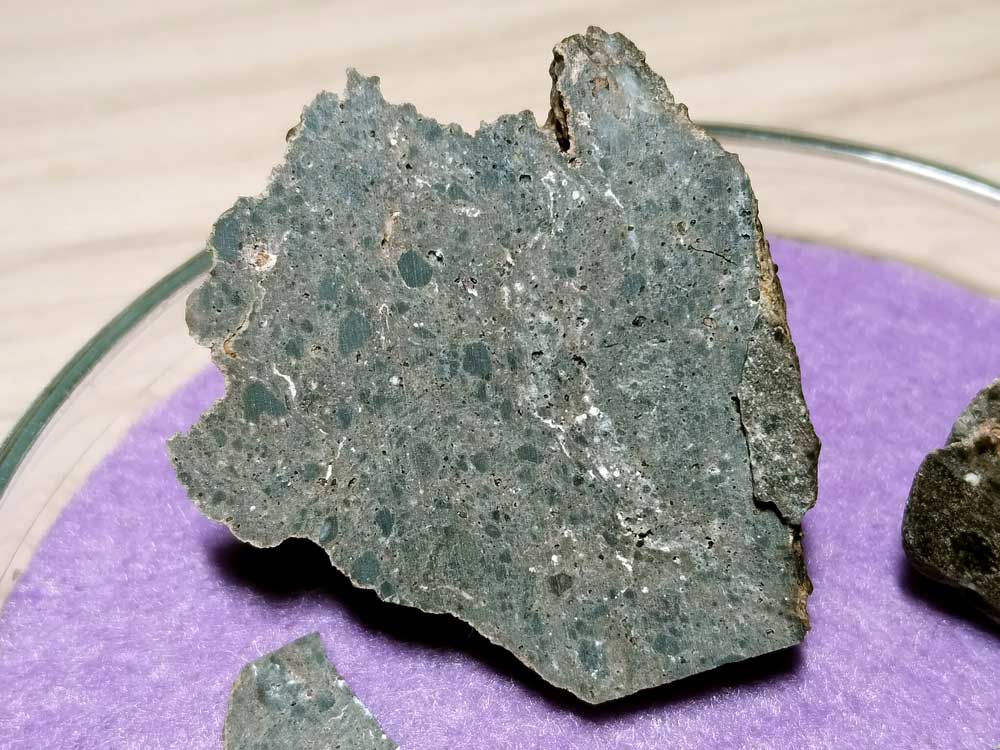
Polished section / reflected light view (placeholder)

Policies & integrity

Stewardship for high-value lunar material

Lunar rocks represent one of the most valuable scientific resources available for understanding the origin and evolution of the Earth–Moon system and the early history of the inner Solar System. Formed under conditions fundamentally different from those on Earth, these materials preserve primary mineralogical, chemical, and isotopic signatures that have remained largely unaltered by plate tectonics, hydrological alteration, or biological activity. As such, lunar rocks provide a unique window into processes such as planetary differentiation, crust formation, magmatic evolution, and the intensity and timing of impact bombardment during the first billion years of Solar System history. International research on lunar materials is inherently collaborative. Samples returned by the Apollo and Luna missions, as well as lunar meteorites recovered on Earth, are studied by laboratories across the world using complementary analytical techniques. Petrography, mineral chemistry, geochronology, spectroscopy, and experimental petrology are combined to reconstruct the geological context of the Moon at local, regional, and global scales. Lunar meteorites, in particular, broaden this perspective by sampling regions of the Moon far beyond the limited landing sites of crewed missions, making them essential for a more representative understanding of lunar geology. Because of their rarity and irreplaceable nature, lunar rocks are subject to the highest standards of conservation and documentation. Best practices include controlled storage environments with stable temperature and low humidity, minimal and well-documented handling, contamination-aware preparation protocols, and the use of inert materials for packaging and long-term storage. Detailed records of provenance, preparation history, analytical work, and imaging are considered integral parts of the scientific value of each specimen. Adhering to rigorous conservation standards ensures that lunar materials remain available for future generations of researchers and that new analytical techniques can be applied without compromising the integrity of these extraordinary samples.

Documentation is treated as part of the specimen: images, weights, preparation notes, and analytical provenance are maintained for long-term traceability.

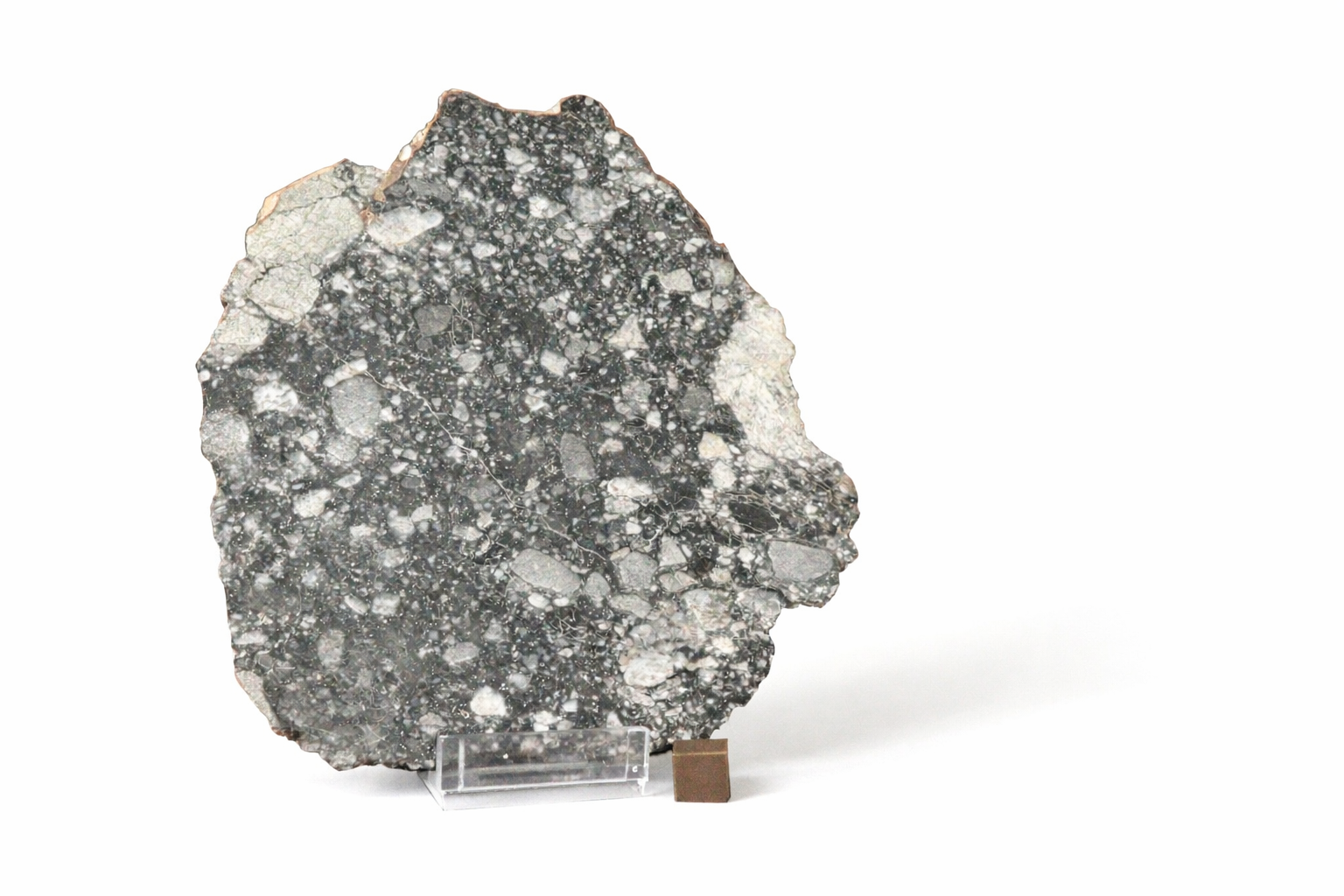
Contamination awareness & documentation standards

Lunar meteorites require careful conservation: controlled environment, minimal handling, clean tools, and stable packaging materials. ADARA follows a preservation-first philosophy to reduce alteration and maintain analytical integrity over time. For lunar materials, contamination control and transparent metadata are essential. Handling notes, storage conditions, and preparation history are recorded to support reliable interpretation and future re-analysis.

Get involved

ADARA welcomes collaboration proposals related to lunar meteorite petrography, geochemistry, imaging, cataloguing, and research-grade reporting. If you represent an academic or institutional program, contact us to discuss cooperative projects and access workflows.